

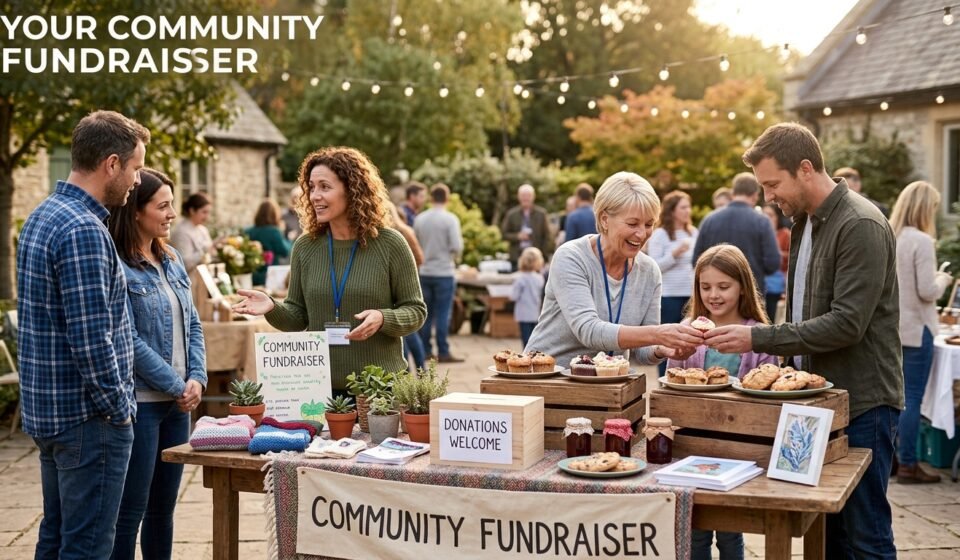

Raising money for a meaningful cause does not have to involve expensive events or complicated campaigns. With the right plan, a small group of volunteers can bring people together, attract new supporters, and generate funds for a school project, local charity, community organization, sports team, or personal cause.
The best fundraiser ideas combine three things: a clear purpose, an activity people genuinely want to support, and a practical way to collect contributions. Some fundraisers work well with almost no upfront spending, while others need more planning but offer opportunities to reach a larger audience.
Whether you need money for educational resources, medical assistance, community improvements, animal welfare, or a nonprofit program, choosing the right approach can make your campaign more manageable.
This guide explores 25 fundraising ideas, ranging from simple online appeals to enjoyable community events. It also explains how to select an appropriate activity, keep expenses under control, and encourage people to support your cause.
Online Fundraiser Ideas That Reach More People
Online fundraising makes it possible to reach supporters beyond your immediate neighborhood. It can also help people contribute when they cannot attend an event in person. Nonprofit fundraising guides from Donorbox and Givebutter cover several approaches that combine digital donations with community participation.
1. Create an Online Donation Campaign
A dedicated donation page is a practical starting point for many fundraising projects. Explain what you are raising money for, how much you need, and how contributions will be used. Include a few specific examples of what different donation amounts could help provide, using realistic figures based on your actual budget.
Share the page through email, social media, messaging groups, and your organization’s website. Keep the payment process straightforward and provide contact information so potential donors can ask questions.
2. Launch a Crowdfunding Campaign
Crowdfunding allows multiple people to contribute toward one clearly defined goal. It can work for projects such as repairing a community facility, purchasing school equipment, supporting disaster recovery, or funding an approved charitable initiative.
Build the campaign around a compelling explanation of the need. Add genuine photographs, a realistic budget, and regular progress updates. Instead of simply asking people to donate, explain what reaching the target will make possible.
3. Organize a Peer-to-Peer Fundraiser
Peer-to-peer fundraising encourages supporters to raise money through their own networks. For example, ten volunteers might each invite friends, relatives, and colleagues to contribute toward the same campaign.
Give every participant a shareable donation link, a clear target, and a short explanation of the cause. Friendly team challenges can make participation more engaging without turning fundraising into an uncomfortable competition.
4. Host a Livestream Fundraising Event
A livestream can bring supporters together for an online concert, gaming session, talent show, educational discussion, or creative challenge. Viewers can contribute while watching, provided the donation process is simple and clearly explained.
Choose an activity that fits your audience rather than copying whatever is popular online. A school could showcase student performances, while a community organization might invite local artists or experts to participate.
5. Start a Regular Giving Campaign
Rather than relying entirely on one-time contributions, invite supporters to make small recurring donations. Monthly giving may be particularly useful for organizations that have continuing expenses, such as educational programs, community services, or animal shelters.
You can also ask eligible employers whether they offer donation-matching programs. Where available, a matched contribution can increase the value of a donor’s gift. Always confirm the employer’s requirements before advertising a match.
Low-Cost Fundraiser Ideas for Small Groups

If your organization has limited money or volunteer support, start with activities that use donated materials, existing spaces, and skills already available within your community.
6. Hold a Bake Sale or Food Stall
Bake sales remain a familiar option for schools, workplaces, community groups, and charity events. Volunteers can prepare or donate cakes, cookies, bread, and other popular treats, then sell them at an appropriate venue.
A themed sale can help the event feel distinctive. You might offer seasonal treats, regional specialties, or a selection of homemade snacks. Calculate ingredient, packaging, transport, and venue costs before setting prices.
Follow relevant food safety requirements, communicate ingredient and allergen information, and make sure everyone involved understands how proceeds will support the cause.
7. Organize a Secondhand Sale
Ask supporters to donate books, clothing, toys, household items, or other usable goods. Sell them at a community hall, school, workplace, or organized neighborhood sale.
This approach gives unwanted items another life while turning donated goods into potential income. It is particularly suitable for groups that can access storage space and recruit a few volunteers to sort and display the items.
Agree on which donations you can accept, reject damaged or unsuitable products, and plan what will happen to anything that remains unsold.
8. Run a Plant or Seed Sale
A plant sale can attract families, gardening enthusiasts, and people interested in improving their homes. Sell donated seedlings, potted plants, herbs, flowers, or seeds, depending on the season and local growing conditions.
Local gardeners and nurseries may be willing to donate supplies or offer discounted prices. Provide basic care instructions to make the products more useful to buyers.
This idea works especially well for environmental groups, school gardens, and community organizations that want to connect fundraising with sustainability.
9. Start a Coin Collection Challenge
A coin drive is a simple option for classrooms, clubs, workplaces, or community groups. Place clearly labeled collection containers in appropriate locations and invite participants to contribute spare change over a defined period.
You can organize a friendly challenge between departments, classes, or teams. Share the final total and explain how the money will be used.
Digital contributions can be offered alongside cash collections so supporters who rarely carry cash can participate too. Keep all collected money secure and maintain a clear record of the amount received.
10. Sell Handmade Products
Invite volunteers, artists, students, or local craftspeople to create products for a fundraising sale. Possibilities include greeting cards, artwork, bookmarks, reusable bags, decorations, handmade jewelry, and seasonal gifts.
A small exhibition or online catalog can showcase the items without requiring an elaborate event. You may also invite local creators to donate selected products.
Be transparent about prices and production costs, particularly when items are made using purchased materials. The aim is to raise funds while offering buyers something useful or distinctive.
School and Community Fundraiser Ideas
Schools and community organizations have a natural advantage: they can bring people together around shared interests. The challenge is choosing activities that are enjoyable, accessible, and realistic for the available volunteers.
11. Plan a Sponsored Walk or Fun Run
Invite participants to complete a walking route or fun run while family members, friends, and other supporters pledge donations. Contributions can be based on participation, distance completed, or a fixed personal target.
A school might organize a sponsored walk around its grounds, while a neighborhood group could arrange a suitable community route. Provide clear instructions, consider participants with different mobility needs, and arrange appropriate supervision and safety measures.
Online sponsorship pages can help people contribute even when they cannot attend.
12. Organize a Read-a-Thon or Skills Challenge
A read-a-thon encourages participants to collect sponsorship for reading a set number of pages, books, or minutes. Other organizations can adapt the format to activities such as drawing, practicing a musical instrument, learning a new skill, or completing a fitness challenge.
Set goals that suit participants’ ages and abilities. Encourage progress through certificates, recognition, or small non-monetary rewards rather than making the experience stressful.
This approach works particularly well when the activity itself supports the organization’s educational or community mission.
13. Hold a Themed Dress-Up or Spirit Day
Schools and clubs can organize a themed day featuring favorite colors, costumes, sports shirts, creative hairstyles, or other appropriate dress-up options. Participants may contribute a suggested donation to join.
Select a theme that is inclusive and affordable, so people do not need to purchase special clothing. Explain the rules beforehand and make alternative participation options available when necessary.
The event can be combined with a small bake sale, student art exhibition, or community donation appeal to increase engagement.
14. Arrange a Community Fair or Family Picnic
A community fair can feature games, food stalls, craft tables, music, performances, and activities for children. A picnic is a simpler alternative for groups that want to bring people together without planning a full-scale festival.
Raise money through ticket sales, donations, stall fees, or local business sponsorships. Keep separate records of the income and expenses associated with each activity.
Choose an accessible venue, create a weather backup plan for outdoor events, and ask participating vendors to confirm their responsibilities in advance.
15. Host a Quiz Night
A quiz night offers an inexpensive way to combine entertainment and fundraising. Teams answer questions on subjects such as sports, music, history, films, or general knowledge.
You can collect entry donations, seek local business sponsorship, and sell refreshments if the venue permits it. Consider including questions of different difficulty levels so that newcomers can enjoy the experience alongside regular trivia enthusiasts.
Publish the event details early, provide a clear schedule, and prepare enough questions to keep the evening organized.
Event-Based Fundraising Ideas With Greater Potential
Larger events may require more preparation, but they can help organizations build stronger relationships with supporters and attract local sponsors. Choose an event only when expected revenue and available volunteer capacity justify the work.
16. Hold a Silent Auction
A silent auction allows supporters to bid on donated products, artwork, gift baskets, experiences, or professional services. Participants place bids during a set period, and the highest eligible bid wins according to the announced rules.
Ask local businesses and individuals to donate suitable items. Provide accurate descriptions, state any restrictions, and explain how bidding and payment will work.
Because donated items reduce inventory costs, this approach can be useful when your organization has strong local connections.
17. Partner With a Local Restaurant
Some restaurants may agree to donate a portion of sales generated during a designated fundraising period. Others might provide discounted food or host a special meal for supporters.
Discuss the arrangement in writing before promoting the event. Confirm which purchases qualify, whether a minimum target applies, and how the contribution will be calculated.
Promote the partnership through your existing networks and encourage supporters to attend during the agreed period. This can help the restaurant reach new customers while generating funds for your cause.
18. Organize a Benefit Concert or Talent Show
Invite local musicians, singers, dancers, performers, or students to contribute their talents to a fundraising event. The show can take place in a school hall, community venue, theater, or suitable outdoor space.
Raise money through admission, sponsorship, refreshments, and voluntary donations. Where possible, ask performers and venue operators whether they can contribute their time or services at a reduced rate.
Confirm sound equipment, scheduling, permissions, and accessibility arrangements before selling tickets.
19. Run a Sports Tournament
A friendly tournament gives sports clubs and local communities a practical way to raise funds while encouraging participation. Suitable options include football, cricket, basketball, badminton, table tennis, or other sports popular in the area.
Collect team registration contributions, approach sponsors, and consider refreshments or spectator donations. Keep the format appropriate for the participants’ ages and skill levels.
Plan for first aid, equipment, weather conditions, and fair competition. A well-organized tournament can also introduce potential new members to a sports club.
20. Arrange a Movie Night
A community movie night can work indoors or outdoors, provided the venue and screening arrangements are suitable. Sell tickets, offer snacks, or invite attendees to make additional contributions.
Choose a film that matches the audience, consider an early family-friendly session, and advertise the date and location clearly.
Before screening a film publicly, check the applicable licensing and permission requirements. Do not assume that an ordinary personal streaming subscription automatically permits a public fundraising screening.
Creative Fundraiser Ideas That Offer Something Different
Traditional fundraisers can be effective, but an activity that matches the interests of your supporters may generate more enthusiasm. These alternatives can also help organizations build a recognizable community identity.
21. Teach a Workshop or Short Class
Invite a volunteer or qualified professional to teach something useful, such as photography, painting, cooking, computer skills, gardening, or creative writing.
Participants can register with a contribution that covers the session and supports the cause. Online workshops are another option when participants live in different locations.
Choose an appropriate instructor, communicate any required materials in advance, and set a class size that allows everyone to participate comfortably.
22. Launch a Photo or Pet Photo Contest
Invite participants to submit photographs under a clear theme, such as nature, local landmarks, family moments, or pets. Supporters can vote through an approved donation or entry system where local rules permit.
Offer recognition, a donated prize, or a small exhibition for selected entries. Make participation conditions clear, including submission deadlines and how photographs may be displayed.
Obtain the necessary permissions before publishing identifiable images, particularly photographs of children. A well-run contest can generate attention while giving supporters a chance to share their creativity.
23. Create a Cause-Based Merchandise Campaign
Sell useful items featuring an original design or a message connected to your mission. Options may include reusable bottles, tote bags, notebooks, T-shirts, badges, or stationery.
Instead of purchasing a large inventory immediately, start with a small batch or a preorder campaign to estimate demand. Include production, packaging, delivery, transaction fees, and unsold inventory when calculating potential returns.
The merchandise should have a genuine connection to the cause and offer value to buyers beyond the fundraising appeal.
24. Organize a Recycling Collection Drive
Collect eligible reusable or recyclable materials, such as clothing, paper, metal cans, or approved electronic items, and work with a reputable recycling partner where appropriate.
Before announcing the drive, confirm which items the partner accepts, what payment or compensation is available, and how materials should be prepared.
This fundraiser works particularly well for environmental clubs, schools, and neighborhood organizations. It can also encourage responsible consumption, although the financial return depends on the materials collected and the recycling arrangement.
25. Run a Raffle or Prize Draw
A raffle can create excitement by offering a donated gift basket, event tickets, artwork, or another suitable prize. Supporters participate according to the event’s announced entry rules, and the winner is selected using a transparent process.
Seek donated prizes to limit upfront spending and publish the draw date, eligibility conditions, and winner-selection method.
However, raffles and prize draws may be regulated differently from ordinary donation campaigns. Check the relevant local laws and any registration, permit, or disclosure requirements before collecting entries or advertising prizes.
How to Choose the Best Fundraiser for Your Goal
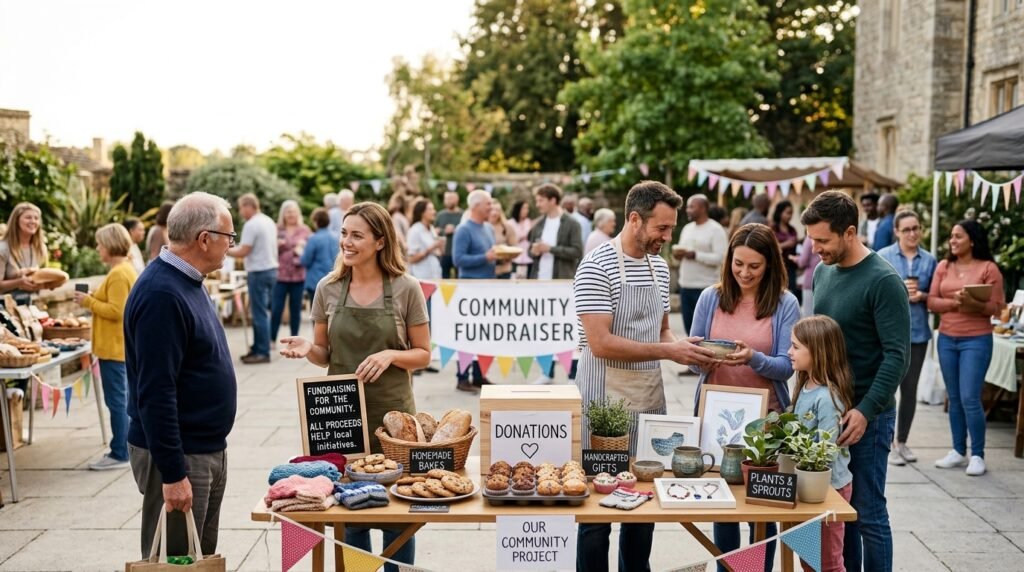
Having plenty of options is helpful, but the most creative event is not automatically the most profitable. A suitable fundraiser should fit your audience, resources, schedule, and financial target.
Start with a specific goal. Identify exactly what the funds will pay for and determine the required amount. A clear target gives supporters a concrete reason to contribute.
Calculate the likely net proceeds. Estimate expected income, then subtract supplies, venue rental, food, marketing, payment-processing charges, insurance, and other relevant expenses. Gross donations and sales are not the same as the money your organization ultimately keeps.
Match the activity to your audience. A school may attract families to a read-a-thon, while a sports club may find a tournament more appealing. A nonprofit with supporters in several locations may benefit from crowdfunding or a virtual event.
Consider volunteer capacity. Choose an event that your team can manage without excessive pressure. A simple campaign with a reliable group of volunteers may be more practical than a large festival requiring substantial coordination.
Make participation accessible. Offer clear instructions, reasonable contribution options, appropriate payment methods, and alternatives for people who cannot attend in person. Do not make supporters feel that they must contribute more than they can afford.
Promote the event consistently. Use suitable social media channels, email, community groups, posters, and local partnerships. Explain the cause, the deadline, and the action supporters should take. Follow up with progress updates rather than sending repeated, identical appeals.
Be transparent about the money. Explain how funds will be used, disclose relevant costs, protect donor information, and report the outcome when the campaign ends. The Association of Fundraising Professionals’ international ethical principles emphasize honesty, respect, accountability, transparency, and compliance with applicable requirements.
Common Fundraising Mistakes to Avoid
Even a promising idea can struggle when its organizers overlook basic planning.
One mistake is choosing an activity because it worked for another organization without checking whether the same audience, location, or resources are available. A large auction may suit an organization with established business relationships but be difficult for a newly formed group.
Another mistake is overlooking small expenses. Printing, transportation, packaging, cleaning, payment charges, and equipment can reduce the final proceeds. Build these costs into the budget before setting a target.
Avoid unclear donation requests. Supporters should understand who is organizing the campaign, what the money will fund, and how they can verify the information. Never exaggerate the urgency of a situation or publish personal information without appropriate permission.
Finally, do not disappear after the event. Thank contributors, share the amount raised when it is appropriate to do so, and explain what happens next. A clear follow-up helps supporters see the outcome of their generosity and gives them a reason to stay connected.
Frequently Asked Questions
What Are the Easiest Fundraiser Ideas to Start?
Online donation campaigns, coin drives, bake sales, sponsored challenges, and small secondhand sales are practical starting points. They can often be adapted to different budgets and group sizes. Choose an activity that uses resources you already have and does not require complicated arrangements.
How Can I Raise Money With Little or No Upfront Cost?
Ask for donated goods, volunteer time, and suitable spaces before spending money. Crowdfunding, online appeals, peer-to-peer campaigns, and some sponsored challenges may require little initial spending. Still, check for platform fees and other possible costs before launching.
Which Fundraisers Work Best for Schools?
Sponsored walks, read-a-thons, themed school days, quiz nights, bake sales, and community fairs can suit different school communities. The best choice depends on students’ ages, parental involvement, school rules, volunteer availability, and the intended purpose of the funds.
How Can a Small Nonprofit Attract More Donors?
Explain the organization’s mission clearly, set a realistic target, share specific information about the need, and make donating straightforward. Encourage existing supporters to share the campaign with people who may care about the cause. Regular updates and transparent reporting can also help strengthen trust.
Are Fundraising Events Better Than Online Campaigns?
Neither method is automatically better. In-person events can build community connections and create opportunities for ticket sales or sponsorships, while online campaigns can reach supporters who live far away. Combining the two may be effective when your audience and resources support a hybrid approach.
Conclusion
The most useful fundraiser ideas are not necessarily the biggest or most unusual. They are the ones that give people a meaningful reason to participate while allowing organizers to manage costs, communicate clearly, and deliver on their promises.
From simple donation campaigns and bake sales to auctions, workshops, sports tournaments, and community fairs, there are many ways to raise money for a worthwhile goal. Start with a realistic budget, choose an activity that fits your supporters, and make the donation process as straightforward as possible.
Most importantly, treat fundraising as an opportunity to build relationships, not just collect money. When supporters understand what their contributions will accomplish and receive honest updates about the results, a single event can become the foundation for lasting community support.



Comments are closed.
[…] Fundraiser Ideas to Raise More Money in 2026 […]
[…] Fundraiser Ideas to Raise More Money in 2026 […]